The Certification Questions Worth Asking Before You Commit to a Water Bottle Manufacturer
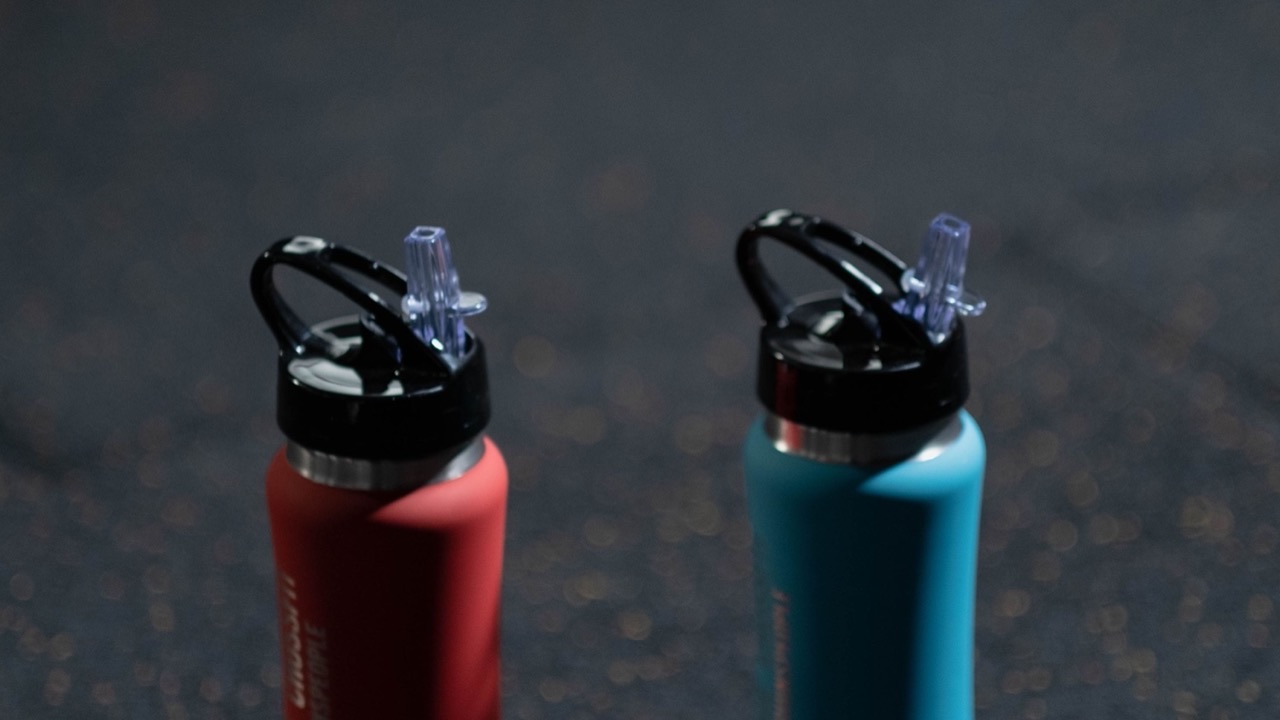
Most buyers who run into problems with a water bottle order trace the issue back to the same place: they evaluated the product but not the manufacturer. The sample was good. The price was right. The communication was responsive. They placed the order. Then the production run came in with a coating that failed within weeks, or a certification document that turned out to be outdated, or a lid design that varied enough across the batch to generate returns.
The audit that would have caught most of these problems happens before sampling, not after. It’s a set of questions about certifications, quality systems, and manufacturing controls that tell you whether the factory producing your product can actually be held accountable when something goes wrong.
Why certifications matter more than the product itself
A stainless steel water bottle that passes a visual inspection and looks identical to a certified product may or may not meet the food-contact standards required in your target market. The material, the coating, the lid components, the printing inks — each of these can introduce substances that regulatory standards are designed to screen out. Certification is the documentation trail that proves testing was done to a specific standard and that the product actually met it.
The certifications worth asking about vary by target market. FDA compliance is the baseline for the US market — it applies to food-contact materials and covers both the steel body and any components that come into contact with beverages. LFGB (Lebensmittel- und Futtermittelgesetzbuch) is the German standard for food contact materials and is widely accepted across the EU; it’s generally more stringent than FDA requirements and is worth specifying even if your primary market is outside Germany. REACH compliance addresses chemical substances in the product and is required for sale in the European Union.
The first thing to clarify is whether the certifications the factory shows you apply to the specific product you’re ordering. A factory may hold an LFGB certificate for one product line that doesn’t cover the coating used on a different product. Ask for the test report, not just the certificate — the report will show which specific materials and finishes were tested, and you can check whether the product you’re ordering falls within scope.
The quality management system question
Factory certifications tell you what the product was tested against. Quality management system certifications — ISO 9001 being the most common — tell you something about whether the factory has a consistent process for maintaining that standard across production runs. ISO 9001 doesn’t guarantee product quality; it means the factory has documented its processes, trains to them, and has internal audit mechanisms to check whether they’re being followed.
What’s more useful than the certificate itself is asking the factory to walk you through their QC process for the specific product type. How many inspectors are on the line? At what points in production does QC check happen? What’s the defect rate and how is it tracked? A factory with a genuine quality management culture can answer these questions in concrete terms. One that’s holding an ISO certificate for positioning purposes often can’t.
The surface finish traceability question
Exterior finish is one of the most common failure points in water bottle wholesale orders and one of the least documented. When you commit to a specific coating — powder coat, spray coat, soft-touch, electroplating — ask what testing that coating has been through and whether the test reports are product-specific or generic.
Coatings that have been tested to REACH standards shouldn’t contain hazardous substances like lead, cadmium, or chromium VI above defined limits. But the test applies to the specific coating compound and application process, not to every coating the factory might use in production. If the factory switches coating suppliers or changes application parameters without re-testing, the certification gap isn’t visible from outside.
Ask which coating supplier the factory uses and whether that relationship is stable. Factories that run their own in-house coating lines have more control over this variable than those relying on external finishing facilities.
The production capacity and lead time question
Certification and quality management tell you what the factory is capable of. Capacity tells you whether they can deliver it on your timeline without compromising what they’re capable of.
A factory that’s running at or above capacity when your order is placed will often accept the order and manage the overload by cutting somewhere — reducing QC frequency, using a secondary material supplier, running the line faster than spec. None of this shows up in the contract. It shows up in the shipment.
Before committing, ask what their current order backlog looks like and when they’d realistically start production on your order. Ask what happens to your order if they receive a larger order from a competing client during your production window. These aren’t comfortable questions, but the answers give you information about risk that the price sheet doesn’t.
Putting together a pre-commitment checklist
The questions worth asking before sampling, in order of importance:
- Which specific certifications apply to this product, and can you provide the underlying test reports?
- Do those certifications cover the coating and lid materials, or only the steel body?
- What does your in-line QC process look like for this product category?
- Who is your coating supplier and how long have you worked with them?
- What’s your current production lead time and how is the schedule managed when multiple orders overlap?
A reliable water bottle manufacturer will answer most of these questions without hesitation because the answers reflect genuine capability. The questions that generate deflection or vague responses are the ones worth pressing on, because vague answers in the pre-commitment conversation tend to become actual problems in the production run.
The goal of this process isn’t to create paperwork for its own sake. It’s to establish a shared understanding of what “meets spec” means before an order is placed, so that when something falls short, there’s a clear standard against which the shortfall can be measured. Without that, disputes become subjective, and the buyer absorbs the cost.
What changes after you have this information
Buyers who go through this process before sampling tend to order smaller samples, because they’re already filtering for manufacturers with appropriate systems in place. They also tend to catch fewer problems per shipment, not because they found a perfect factory, but because the factory they chose has documented processes that make consistency achievable.
The other thing that changes is the nature of the relationship. Factories that are willing to answer these questions in detail are often the ones that view client relationships as long-term. The ones that treat pre-commitment questions as obstacles to getting the order signed are often the ones that become difficult to deal with once the deposit is paid.
This isn’t a guaranteed filter, but it’s a reasonably reliable signal.