Different Screw Head Types for Metal, Wood, and DIY Projects
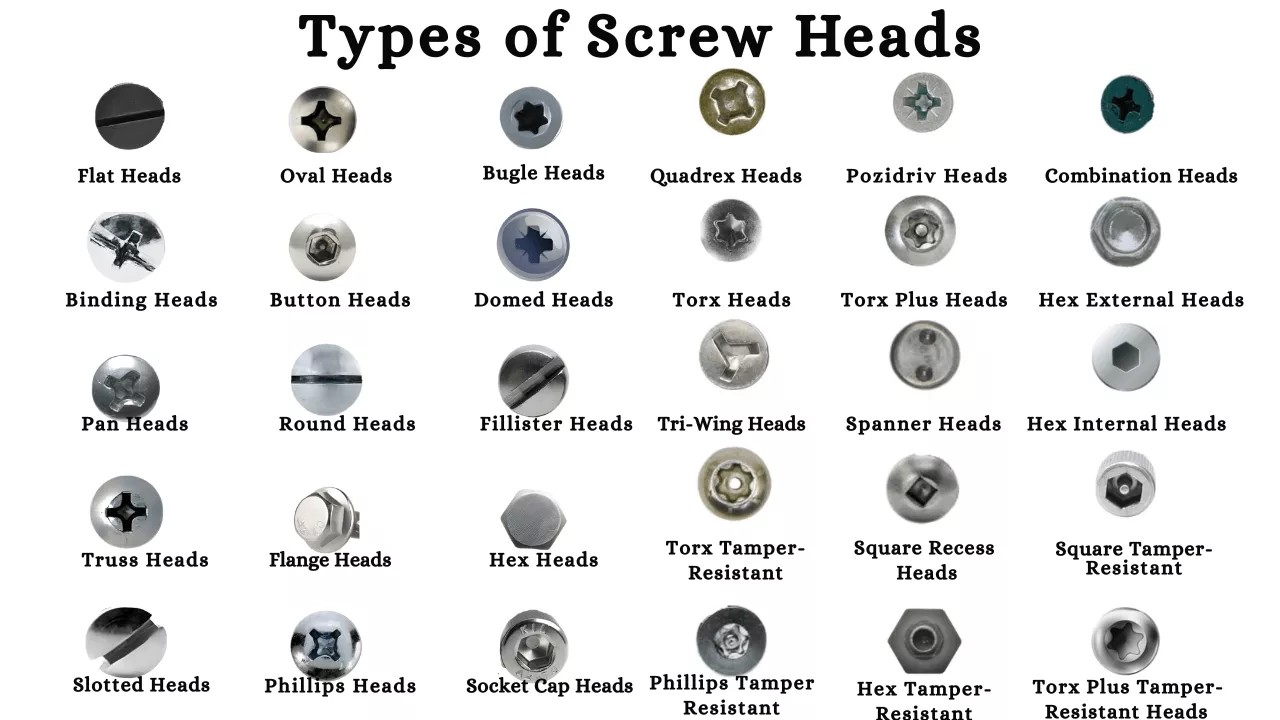
Screw head shapes appear simple but can be complex. The head type affects placement and can cause stripping, weak joins, or rough finishes if misused. Knowing different screw head types helps prevent issues and ensures strong, clean results in projects like metal and wood.
Why Screw Heads Matter
Screw head is the one that controls the finish and the function. A good fit between the tool and the head results in lower slipping and quicker work. It also determines the position of the screw, whether flat or bulged. The right type of head is preferred in busy fabrication setups such as Shincofab, where sheet metal components are assembled daily, and the process does not damage the completed surface.
Countersunk Heads
Countersunk screw heads are made to fit in the material. The lower part of the head is oblique and, therefore, fits into a corresponding opening. This comes in handy when you feel like having a smooth surface that has no bumps. In wood, this provides a clean appearance, whereas in metal, it assists in letting the parts slide past one another unhindered.
Non-Countersunk Heads
Non-countersunk heads are left on top. They are flat, and their undersides press against the material. The design diffuses the force, making it beneficial for thin materials. In metalworking, such as that done by Shincofab, these heads are widely used to secure sheet metal without risk of damage or tearing.
Flat Head Screws
The most popular countersunk is made of flat-head screws. When installed, they are on the same plane as the surface. They are perfect for use with furniture, panels, and anywhere you do not want the screw to be seen. They are used on metal parts when a smooth exterior finish is required.
Pan Head Screws
The top of the pan head screws is slightly rounded, and the bottom is flat. They are mounted on top and very gripping. They are popular with wood and metal since they are simple to drive and provide good contact with the material. In general, DIY is a safe bet when appearance is not a concern.
Hex Head Screws
The screws of the hex head are constructed in a strong manner. They do not have a slot on top; instead, they have an outer shape that can be turned using a wrench or socket. This gives you the ability to work harder without having to break your head. When a tight fit is necessary, they are used for structural, machinery, and heavy-duty work.
Button and Truss Heads
The top of the button heads is smooth and rounded, which makes it look nice and minimizes sharp edges. Truss heads are broader and flatter, with pressure evenly distributed. They are applicable to thin materials, such as sheet metal or plastic, as the smaller heads can be pulled through. The heads are used to safeguard fragile pieces of production equipment, such as Shincofab, while at the same time securing them in place.
Bugle Head Screws
A bugle-head screw is used mostly for drywall and soft materials. They are driven by their curved shape, which prevents surface damage. They are not popular in metalwork, but they come in handy for DIY projects that involve affixing panels or boards to the walls.
Drive Types vs Head Types
One must not be confused by the shape of the head and the type of drive. The outward appearance is the head, and the pattern on which your tool fits, like the Phillips or Torx, is the drive. Both are important, but they have their purposes. In most fabrication plants, such as Shincofab, customers drive type-matched to the appropriate head, which increases work speed and reduces tool wear.
Choosing the Right Head
The screw head that is best would be the one that depends on your choice of material and the outcome. The countersunk heads produce a clean finish to wood. In the case of metal, larger heads are more supportive. In the instance of the DIY work, it will frequently be a matter of ease of use and accessibility. A moment to select an appropriate type might save time and avoid future damage.
Common Mistakes
The mistake that is frequently made is the application of countersunk screws on thin metal without pre-surface preparation. This can weaken the material. The other problem is the use of small heads in areas where greater surface contact is needed, leading to loose joints. These problems can be prevented by being attentive to the shape of the head.
Conclusion
The variety of screw heads is created to complete certain tasks, and it is easier and more trustworthy to use the right one. There are a variety of flush finishes, outdoor grips that are firm, etc. They all have a purpose. It does not matter whether you are dealing with a basic DIY installation or working with metal components; being aware of these options can help you make better decisions and achieve long-term results.