iPhone Camera Protection for Travel and Outdoor Use — What Holds Up When It Matters
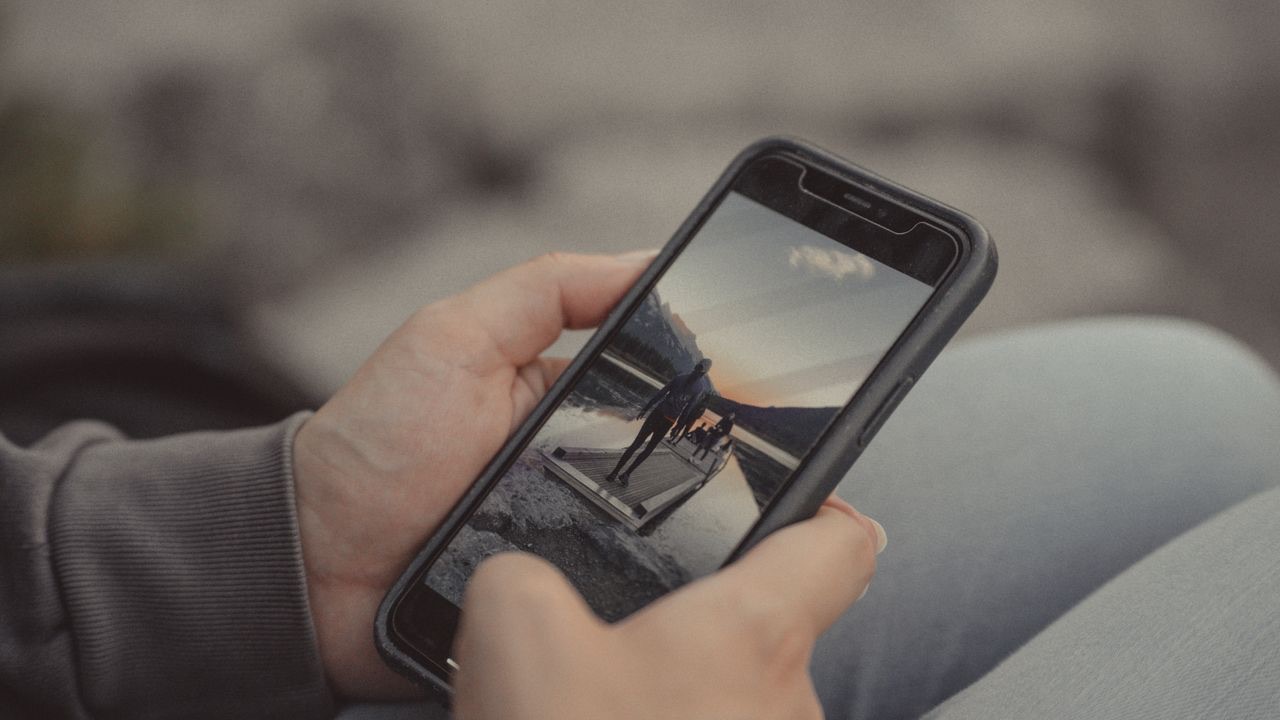
Travel puts a phone through more than a regular week at home. Beaches, hiking trails, crowded markets, rainstorms, sandy backpacks, and the inevitable moments when the phone gets handed to a stranger for a group photo — all of these represent elevated risk for the component that matters most in those situations: the camera. Understanding what specifically threatens the iPhone camera lens in outdoor and travel contexts, and what actually protects against it, helps you make a more informed decision before leaving home rather than a regretful one after.
What makes outdoor environments hard on camera glass
The threats to an iPhone camera lens in outdoor environments are different in character from everyday desk and pocket use. A lens that has survived two years of office use without a scratch may pick up damage in a single day on a beach or trail, because the abrasives present in outdoor environments are genuinely harder than what the lens normally encounters.
Sand is the clearest example. Beach sand contains quartz particles rated around 7 on the Mohs hardness scale. The sapphire glass Apple uses for lens covers is rated 9 — harder than quartz. But the physics of how abrasion works means that even a softer material can damage a harder one when applied as a slurry or under pressure. Sand embedded in the gap between a lens protector and a case, worked back and forth by the vibration of movement, can damage the lens surface over time. Sand entering the camera housing from a drop creates a grinding scenario where the particles are trapped against the lens under the pressure of the housing components.
Fine volcanic dust on certain hiking trails, mineral particles in glacier runoff, and grit in desert environments present similar risks. These are not theoretical scenarios — they’re the kinds of environments that generate insurance claims and repair receipts.
Water and moisture considerations
iPhone models from the iPhone 7 onward carry IP-rated water resistance — the most recent models are rated IP68 for up to 30 minutes at 6 meters. This covers the camera system itself, but the rating refers to the sealed internal components, not the lens cover glass’s resistance to water damage.
What moisture affects is the environment around the camera rather than the glass itself: salt water residue that dries on the lens surface and creates a mineral deposit that can etch the coating on lower-quality glass, high humidity that infiltrates any existing chip or crack and accelerates degradation of adhesives and coatings, and the condensation that forms when a cold phone moves into warm humid air (which carries whatever particles were on the lens surface into any existing micro-damage).
Protecting the lens surface from water residue is partly about protection and partly about maintenance — rinsing with fresh water after salt water exposure, drying properly before the salt dries on the lens. But a protector that sacrifices rather than the lens cover itself is easier and cheaper to replace than the lens cover.
The backpack problem
One of the most consistent sources of camera wear for travelers isn’t drops — it’s the backpack. A phone stored in the outer pocket of a backpack shares space with whatever else is in there, and the contents shift as the bag moves. The camera bump contacts other objects repeatedly over hours of walking, and the cumulative contact from pack straps, zipper pulls, and other hard items creates the kind of persistent abrasive pressure that scratches housing rings and eventually chips glass.
An iphone camera cover takes the contact instead of the lens glass. When the protector surface gets scratched from backpack storage — and over a long trip, it will — you peel and replace, which costs a few dollars. The same damage to the underlying lens cover glass is a repair or a condition grade drop at trade-in.
The backpack scenario is also where tempered glass protectors have a meaningful advantage over softer materials: they resist scratching under sustained pressure better than films, which can abrade and cloud with repeated contact.
Altitude and temperature changes
At altitude, UV intensity increases roughly 10% per 1,000 meters. UV exposure degrades the anti-reflection coatings on optical surfaces over time, and at significant altitude — mountain trekking, high desert environments — that degradation happens faster than at sea level. A protector that sits in front of the lens takes this UV exposure rather than the coatings on the lens itself.
Rapid temperature changes create thermal stress in glass elements. Moving from a warm vehicle into cold mountain air, or from air conditioning into tropical heat, subjects the lens assembly to thermal cycling. A high-quality protector made with optical glass handles thermal cycling without cracking; cheap protectors with inferior tempering may develop micro-fractures. This is one area where protector quality specifically matters for outdoor use — a budget protector that performs adequately in normal temperature conditions may fail in environments with significant temperature swings.
The case system question
For outdoor and travel use, the phone case is as important as the lens protector, and the two need to work together. A rugged case with raised lips around the camera housing provides a physical buffer zone that reduces the direct impact on the camera bump from drops. But some rugged cases have tight camera cutouts that don’t accommodate a lens protector, or that press on the protector edge in a way that eventually causes it to lift.
Checking the compatibility between a specific case and a specific protector before a trip is more important than it sounds. The worst outcome is arriving at a destination, discovering the new protector is lifting away from the lens because of case pressure, and trying to remove and reapply it in field conditions.
What to carry and what to replace
For trips longer than a week or two, bringing a replacement set of protectors makes practical sense. They’re flat, lightweight, and take up less space than a single charger cable. If a protector chips or cracks — which it’s designed to do instead of the lens — having a replacement means continuing to travel with protection rather than deciding whether the damaged protector is better than nothing (it generally is, but a cracked protector edge can itself become an abrasive source if the crack propagates to the lens contact area).
One installation kit is enough for the whole trip if you bring it. The cleaning supplies in most kits allow a clean re-application in field conditions as long as you’re in a reasonably dust-free environment — inside a tent or a hotel room rather than on a windy trail.
The practical decision
Most of the travel scenarios where camera protection matters most are the same ones where the camera gets the most use. The afternoon at the beach, the summit view, the market with the light at the right angle — these are exactly when you’d rather be shooting than dealing with a damaged camera. Fitting a protector before leaving home removes the issue from the mental checklist during the trip, and the weight of the decision is appropriately small compared to the cost of not making it.